After the Silence: A Measured Plan for Reclaiming VIP Attention

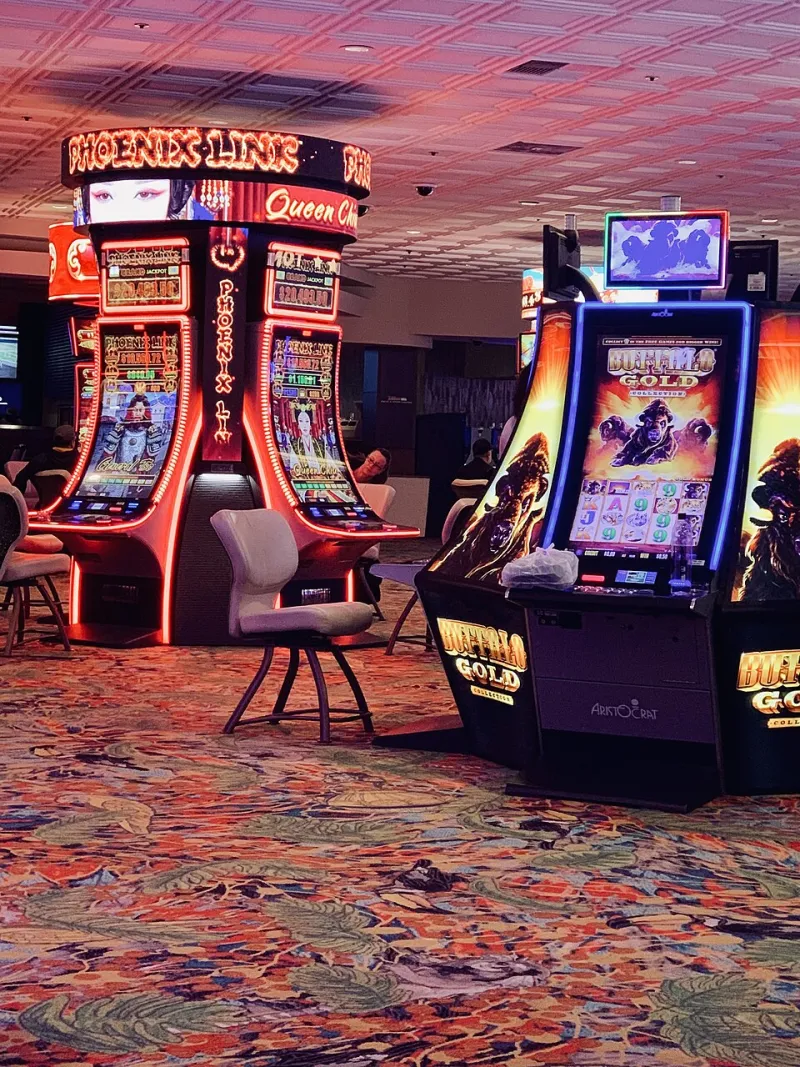
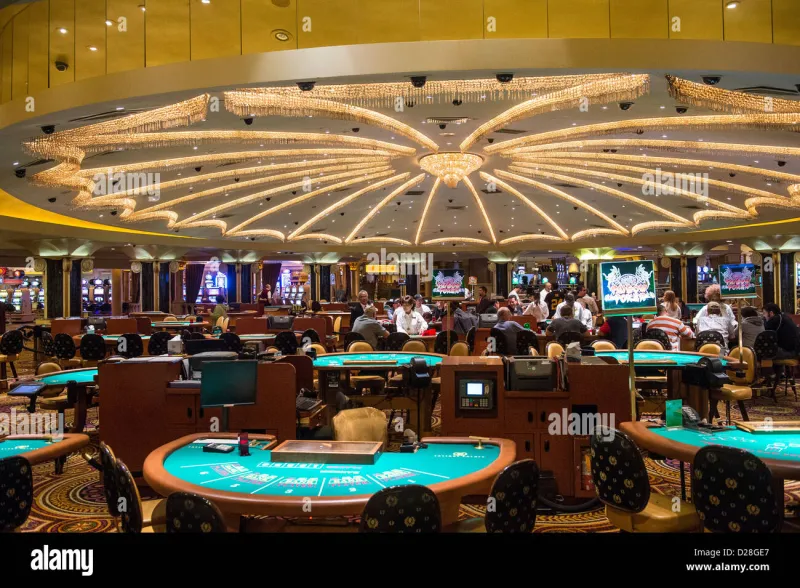
Photo: luxury casino VIP lounge host desk evening, via img.freepik.com
There is a particular kind of confidence that returns with a player who has been away from a casino for a year or more. The player remembers the lounge, the host, the preferred machine bank, and the rhythm of a familiar floor. The casino, meanwhile, remembers the account. Those two memories rarely match exactly, and the gap between them is where careless spending begins.
A return to a VIP room is not a homecoming in the strict sense. It is a reintroduction. The house has kept records, but it has also kept moving. Offers have been recalculated, tier cycles have turned over, and the host who once knew your coffee order may have changed departments. The practical question for 2026 is not whether you can walk back in. It is how to walk back in without confusing old standing for current standing.
Begin With the Account Record, Not the Itinerary
Before booking a flight or reserving a suite, open the players club portal and read the account as a stranger would. Confirm the tier expiration date, the status of any free play or resort credit, and whether recent offers are still attached to your account. Check the terms on each offer: some are tied to a hotel stay, some require a minimum amount of play, and some are invitation-only and will not appear in a general calendar.
This step matters because casino databases are current. In 2026, a twelve-month absence is not hidden by paperwork. It is visible in the offer engine. A player who assumes that the suite upgrade from a previous year remains available may arrive to find a standard room, a reduced free-play allotment, and a host who is polite but not prepared to extend the old arrangement. None of that is a personal insult. It is an administrative fact, and it is cheaper to discover it at home than at the check-in desk.
What Typically Resets and What Usually Endures
Tier status and annual benefits often follow a calendar cycle. A new year can wipe out progress toward the next level, and a long absence can push a player out of a mailing segment. Offer eligibility is usually weighted toward recent activity, which means the house may treat you as a returning guest rather than a current one. These are general patterns, not universal rules, and the specific terms on your account should always take precedence.
Host relationships endure more often than tier badges, but only if the host is still there. Reputation endures as well, in both directions. A player who left with settled accounts and courteous exchanges is remembered differently from one who left a disputed ledger or a trail of canceled reservations. The first kind of memory is an asset. The second is a conversation that must be managed carefully.
The Host Reintroduction: Brief, Specific, and Unhurried
A reintroduction note should be short. Identify yourself, give the approximate date of your last visit, and ask what has changed since then. Mention the kind of play you expect to bring on the next trip, but do not inflate it. Ask whether the host is still the right contact for your account and whether any current offers are better discussed by phone than through the portal.
Do not open with a request for the old suite. Do not imply that your previous standing creates an obligation. A host allocates attention according to current play, current communication, and current availability. The most effective reintroduction sounds like a business introduction, not a claim on a forgotten inheritance. If the host has moved on, ask for the appropriate contact and repeat the same brief, specific message.
The First Trip Back: A Budget With a Seat Belt
Set the loss limit before leaving home, and set it at a level that does not depend on a host's goodwill to recover. The first visit back is for verification, not vindication. Play at the level you intend to sustain rather than the level you once reached. A single large session may produce a short burst of attention, but it also creates an expectation that is difficult to maintain and easy to regret.
Keep the first trip simple. One property, one or two sessions, and a clear record of what the house actually provided. Note whether the offer was honored as written, whether the host checked in, and whether the tier benefits matched the portal. Those notes will tell you more about your current standing than any memory of the previous year.
A Three-Visit Rebuilding Cadence
Rebuilding standing is usually a matter of cadence rather than spectacle. The first visit is observational: confirm the account, meet the current host, and play within the budget. The second visit is confirmatory: see which offers arrive after the first trip and whether the host follows up. The third visit is decisive: compare the treatment with the cost and decide whether the relationship is worth continuing on the new terms.
Throughout that cadence, track offers and ask specific questions. A host can explain whether a threshold is based on trip play, average daily play, or a specific game mix. Vague ambition is expensive. Specific information is not.
The Fortuna Palace View
VIP insight for every spin does not mean every spin is a VIP decision. It means reading the room before the room reads you. A return after a long absence is a data-gathering exercise wrapped in a social occasion. The house will reward consistency, clear communication, and a player who understands that a welcome is not the same thing as an entitlement. The player who returns with a budget, a question, and a little patience is usually the one who leaves with a clearer path back.