Seven Cups of Evidence: What the Coffee Station Says About the Machines Down the Hall
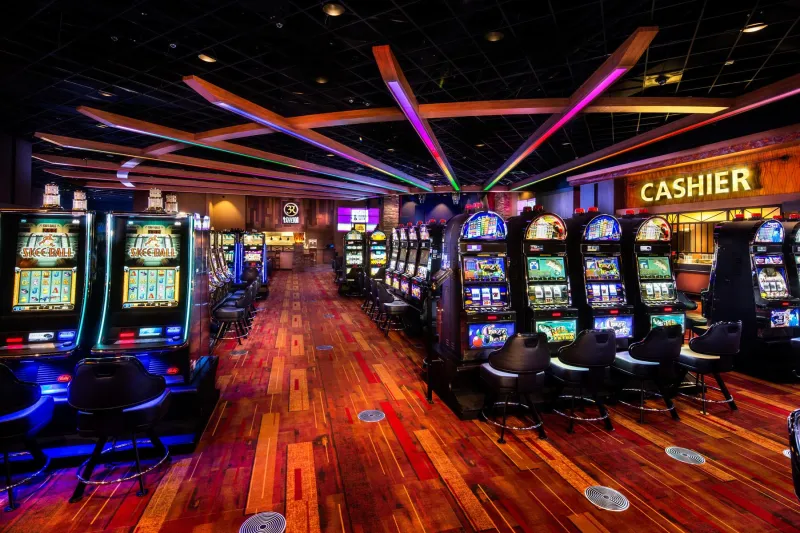
Photo: casino self-service coffee station counter with cups and urn, via wallpapercave.com
Walk into nearly any casino in the United States and within the first ninety seconds you will pass a small counter holding an urn, a stack of cups, and a scatter of sugar packets. Most players treat it as furniture. At Fortuna Palace we treat it as an instrument panel.
The coffee station is the cheapest hospitality a property offers, and also the hardest to fake at scale. It must be brewed, wiped, restocked, and monitored through every shift of every day, usually by staff whose job description never mentions it. That relentless repetition is precisely what makes it useful. What a casino does with a free cup of coffee is a reasonable proxy for how it handles everything else that requires attention but produces no direct revenue — carpet seams, chair cushions, change machines, and the quiet courtesy that separates a VIP program from a VIP word.
Below are seven readings worth taking before you sit down.
1. The Hours the Urn Keeps
Ask an attendant when the station closes. A property that keeps coffee available through the graveyard shift is telling you it expects to host players at 3 a.m. and intends to keep them comfortable. A property that shuts the urn down at 10 p.m. while the floor stays open until 4 a.m. is telling you something different: hospitality here is scheduled around the day shift's convenience, not the player's clock.
Neither answer is dishonest. But the second one predicts how a host will respond to a request made at an inconvenient hour, and it predicts it more reliably than any brochure.
2. The Cup Itself
A branded, double-walled cup with a lid that actually seats is a small expense and a deliberate choice. Thin paper cups that collapse under a thumb, or styrofoam that leaves a taste in the coffee, suggest a purchasing department that bought on price and never tested the product. Watch for the mismatch between cup quality and floor quality — a property with new cabinets and cups that leak is spending on what photographs well and economizing on what guests touch.
3. The Condiments
This is the most revealing shelf in the building. Real half-and-half in a chilled carafe indicates a kitchen willing to absorb spoilage cost for quality. Powdered creamer in a plastic shaker indicates the opposite. Sugar in packets is standard; sugar in a pour jar with a clean spoon is a small sign that someone thought about the guest's hands. Look for a decaf option, a non-dairy option, and whether the tea bags are replenished or picked over.
The pattern to note is not luxury — it is maintenance. A stocked condiment shelf on a Tuesday afternoon is evidence of a schedule. An empty one at any hour is evidence of a gap.
4. Cleanliness Under the Rim
Check the drip tray, the counter edge, and the trash bin lid. These three surfaces are the first to go when a property cuts back on floor staffing, and they are the last to be noticed by management. A sticky counter at 2 p.m. is not a crisis. A sticky counter at 2 p.m. with no attendant in sight for fifteen minutes is a staffing ratio you can now estimate, and that ratio governs how quickly a malfunctioning machine gets serviced as well.
5. Placement on the Floor
Where the station sits matters more than how it looks. A stand tucked behind the cashier's cage is hospitality as an afterthought. A station placed at the seam between two slot banks, visible from the aisle, is hospitality as architecture — the property wants players to hydrate and stay, and has planned the walk accordingly.
Notice also whether there is seating nearby, and whether the station is near the restrooms. A property that clusters coffee, water, seating, and restrooms in one zone understands floor flow. One that scatters them is inviting you to leave the machine, walk 200 yards, and reconsider your session on the way back.
6. The Staff Behind It
In many rooms the coffee station is folded into the duties of a slot attendant or a porter, which means the person refilling the urn is often the same person who will later answer your call light. That overlap is worth studying. An attendant who clears a spill without being asked is likely to resolve a ticket error without being asked. An attendant who walks past an overflowing bin is showing you the floor's default level of initiative.
If a property staffs the station with a dedicated attendant during peak hours, that is a genuine signal of a hospitality budget rather than a marketing one.
7. The Signage
Read the small print taped to the wall. "One cup per guest, per visit" tells you the comp is defensive. A quiet notice about limits on alcohol or glass near the machines is ordinary safety language and no cause for concern. A complete absence of signage, paired with an unattended station, suggests nobody owns the space — and spaces that nobody owns tend to stay uncleaned until a complaint arrives.
How to Take the Reading in Ten Minutes
Walk the floor once before you play. Note three things: whether the urn is hot, whether the condiments are stocked, and whether an employee passes the station within five minutes. That is enough to calibrate your expectations for the session ahead — how fast you should expect a call light answered, how likely a machine is to sit out of service, and whether the property's VIP language is backed by anything you can actually touch.
One caution, and it is an important one. A fine coffee station does not make a tight machine loose, and a neglected one does not mean the return-to-player percentages are worse than published. Floor hospitality and math are separate disciplines. What the pantry reveals is operations — and operations are what determine whether your evening runs smoothly or spends forty minutes waiting on a hand pay.
At Fortuna Palace we read the room before we read the paytable. The urn is simply the first page.